
Earth scientists are essential to tackling the most pressing environmental challenges of our time. From geological hazards to resource provision and climate change, they research current issues to uncover future solutions. By choosing to do a degree in Earth and environmental science, you will embark on an exciting and vital exploration of the natural environment, with opportunities to see first-hand the real-world impacts of environmental hazards and the strategies developed as a response. When you graduate, you will enter a global job market where environmentally focused professionals are highly sought after.

Lancaster’s Earth science staff specialise in volcanology, geophysics, hydrogeology, and glaciology. There’s always someone to ask about your specific interest! You will also be assigned an academic tutor who will be your first point of contact for support on your course.

7th July 2026 other dates may become available
Ghyll Head is a provider for Mountain Training and have huge amounts of experience working with groups in the hills. We are very supportive, fun and love working with aspiring leaders through the schemes. We will run this course over 3 days. The pre requisites are to be registered with…
On demand videos on YouTube
Five short videos on Squirrel Management in Woodlands. Managing Forests to Benefit Red Squirrels, How to Carry out a Grey Squirrel Impact Assessment, Using live and lethal traps to manage grey squirrels: good practice guidance, Understanding how grey squirrels impact our woodlands, Using bait…
4th, 11th and 18th June 2026
Botanical identification training and survey opportunities in a selection of upland hay meadows. There are three days of free training for beginners, and also botanists wishing to refresh their skills. Wildflower, grasses and surveying 4 June 9:45 am - 4:30 pm. Grasses and sedges identification…
Flexible on demand training - takes 1-2 hours to complete
A practical guide to enhancing and maintaining biodiversity on school or college grounds, this free online training course is aimed at managers of any outdoor setting. The course has been developed by Natural England and Department for Education in collaboration with the National Biodiversity Data…

University of Lancashire Open Day 20th June 2026

Lancaster University Open Day 27th June 2026
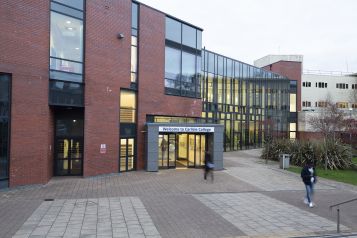
Carlisle College Open Day 30th June 2026