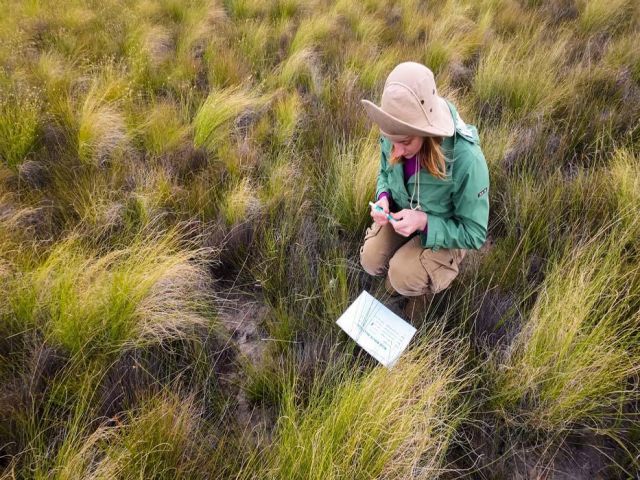

Our programme is purpose built for the modern environmental scientist and centred around the learner as the 'environmental practitioner'. During your integrated foundation year, you will develop your knowledge and understanding of the key scientific and social science principles of Biology, Chemistry, Human Ecology to Toxicology, Public Health, Epidemiology and Parasitology.The foundation year has a strong practical focus with laboratory and field work throughout including a residential field trip and a multi-year practical monitoring exercise. As such, you will gain a solid foundation in laboratory and field skills in four subject-specific modules, Essential Biology, Essential Chemistry, Environmental Sciences and Scientific Investigation.

4th, 11th and 18th June 2026
Botanical identification training and survey opportunities in a selection of upland hay meadows. There are three days of free training for beginners, and also botanists wishing to refresh their skills. Wildflower, grasses and surveying 4 June 9:45 am - 4:30 pm. Grasses and sedges identification…
Flexible on demand training - takes 1-2 hours to complete
A practical guide to enhancing and maintaining biodiversity on school or college grounds, this free online training course is aimed at managers of any outdoor setting. The course has been developed by Natural England and Department for Education in collaboration with the National Biodiversity Data…
Courses are run on demand and usually last for 3 days (including assessment) Get in touch on 07855571312 or ctlogue@aol.com
Courses include the following: Safe Use of Pesticides (PA1) Boom Mounted Sprayers (PA2) Variable Geometry Boom Sprayers (PA3) Slug Pellets and Granular Applications (PA4) Hand Held Applicators (PA6) including Application in or near Water (PA6AW), Stem Injection, Stump Treatment, Invasive Weeds…
The course takes on average 4 hours to complete. Upon registration, candidates have full access to course content including a downloadable workbook and HD videos. At the end of course, candidates will answer multiple choice questions.
Himalayan balsam is one of the most widespread and impactful invasive plant species across the UK and Ireland. Unfortunately, it is also a plant that is frequently mismanaged, or ignored until it creates monocultures. This new course, the first of its kind, teaches candidates how to practically…

Lancaster University Open Days and Campus Tours
Cumbria Young Farmers' Club Southern District Field Day
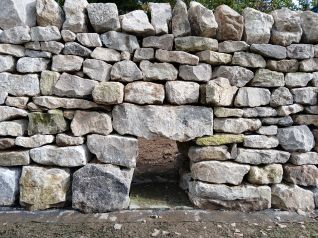
Dry stone walling competition 30 May 2026